
In the age of environmental consciousness and sustainable practices, industries worldwide are seeking innovative solutions to tackle the mounting issue of plastic pollution. Among the myriad forms of plastic waste, low-density polyethylene (LDPE) film has emerged as a particularly challenging material to recycle efficiently. However, with the advent of advanced technology, the ldpe film washing line has emerged as a game-changer in the recycling industry, offering a promising solution to address this pressing environmental concern.
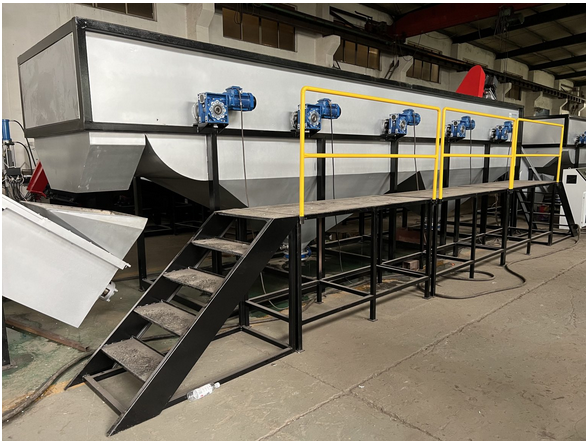
Understanding LDPE Film
LDPE, known for its lightweight and flexible properties, is commonly used in packaging materials such as plastic bags, shrink wrap, and agricultural films. While LDPE offers convenience in packaging, its widespread use has led to a significant accumulation of plastic waste in landfills and oceans, posing a severe threat to ecosystems and marine life.
The challenge in recycling LDPE film lies in its contamination and degradation during use, making conventional recycling methods inefficient. Contaminants like dirt, food residue, and other plastics often adhere to the surface of LDPE film, rendering it unsuitable for direct recycling. Consequently, innovative approaches are required to effectively process and recycle this material.
The LDPE Film Washing Line: A Breakthrough in Recycling Technology
The LDPE film washing line represents a revolutionary advancement in recycling technology tailored specifically for processing LDPE film and similar materials. This sophisticated system employs a series of mechanical and chemical processes to clean, separate, and transform used LDPE film into high-quality recycled pellets, suitable for manufacturing a wide range of products.
Key Components and Processes:
- Sorting and Shredding: The process begins with the sorting of incoming LDPE film to remove contaminants and non-LDPE materials. Subsequently, the sorted film is shredded into smaller pieces to facilitate the washing and cleaning process.
- Washing and Decontamination: The shredded LDPE film undergoes intensive washing in multiple stages, utilizing a combination of water, detergents, and friction to remove contaminants and impurities. This step is crucial in ensuring the quality and purity of the recycled material.
- Separation and Drying: Following the washing process, the cleaned LDPE flakes are separated from water and residual impurities using centrifugal force or other separation techniques. The separated flakes are then dried thoroughly to eliminate moisture content, preparing them for further processing.
- Pelletization: The dried LDPE flakes are extruded and pelletized into uniform pellets through a heating and molding process. These recycled pellets can be used as raw material in the manufacturing of various products, including plastic bags, packaging materials, and construction products.
Environmental and Economic Benefits
The LDPE film washing line offers a host of environmental and economic benefits, making it an attractive solution for both recycling facilities and industries reliant on plastic materials:
- Reduction of Plastic Waste: By enabling the efficient recycling of LDPE film, this technology contributes to the reduction of plastic waste in landfills and oceans, mitigating environmental pollution and its adverse effects on ecosystems.
- Conservation of Resources: Recycling LDPE film conserves valuable resources by diverting plastic waste from landfills and reducing the need for virgin plastic production, thereby minimizing energy consumption and greenhouse gas emissions associated with plastic manufacturing.
- Creation of Economic Opportunities: The establishment of LDPE film washing lines fosters economic growth by creating jobs in the recycling industry and stimulating demand for recycled materials. Additionally, companies utilizing recycled LDPE pellets can benefit from cost savings and enhanced sustainability credentials.
Conclusion
In conclusion, the LDPE film washing line represents a significant milestone in the quest for sustainable solutions to plastic pollution. By harnessing advanced technology and innovative processes, this recycling system offers a viable pathway for transforming used LDPE film into valuable recycled material, thus closing the loop on the plastic lifecycle. As the demand for environmentally responsible practices continues to rise, investment in LDPE film washing lines holds immense promise for a greener, more sustainable future.
