
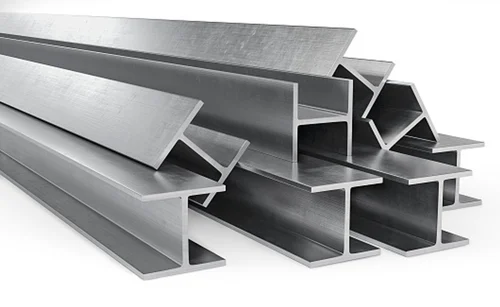
I-beam steel, a critical component in construction and structural engineering, plays a vital role in providing support and stability to buildings, bridges, and other infrastructures. For anyone involved in construction, understanding i beam steel prices is essential to budget effectively and make informed purchasing decisions. Prices can vary depending on several factors, making it important to grasp how these elements influence the cost and availability of I-beams for your project.
Key Factors Influencing I-Beam Steel Prices
1. Steel Market Trends
The global steel market significantly impacts I-beam prices. Steel is a commodity, meaning its price fluctuates based on market demand, supply chain dynamics, and the overall economic climate. Factors like trade policies, tariffs, and raw material costs (such as iron ore and coal) play a crucial role in determining the cost of steel. Price increases in raw materials or disruptions in production can lead to higher costs for I-beams.
2. Beam Size and Weight
I-beams come in various sizes and weight classes, each suited for different construction needs. Larger beams designed for heavy-duty applications, such as high-rise buildings or bridges, tend to be more expensive due to the increased amount of material required. On the other hand, smaller beams intended for residential projects or lighter structures are usually more affordable. The price per ton or per unit is often determined by the beam’s dimensions and weight.
3. Grade and Quality of Steel
I-beams are made from various grades of steel, and the specific grade you choose can affect the price. Higher-grade steel, which offers better strength and durability, may cost more but provide long-term savings through increased structural integrity and resistance to wear. For specialized projects, such as those requiring corrosion-resistant steel for maritime or industrial environments, the price can be even higher.
4. Manufacturing Process
The method used to manufacture the I-beam also plays a role in pricing. I-beams are typically produced through processes like hot rolling or cold rolling, with hot-rolled beams being more common for construction purposes. Cold-rolled steel, which provides more precision, may come at a premium. Additionally, custom-made I-beams designed to meet specific engineering requirements may carry higher costs due to the added labor and materials involved.
5. Location and Transportation Costs
I-beam prices can vary depending on your location due to regional supply chains and transportation costs. If you are sourcing I-beams from a distant manufacturer or require special delivery services, transportation fees may be added to the base price. Local suppliers, on the other hand, might offer more competitive pricing by reducing shipping costs.
How to Manage I-Beam Steel Prices in Your Projects
To keep your construction budget under control, consider obtaining quotes from multiple suppliers and comparing prices for different sizes and grades of I-beams. Purchasing in bulk or through wholesale channels can also help reduce unit costs. Additionally, being flexible with your project’s timeline can provide an opportunity to take advantage of price drops or avoid periods of high demand when prices are typically inflated.
Conclusion
I-beam steel prices are influenced by several key factors, including market trends, beam size, steel grade, manufacturing process, and location. Understanding these elements allows construction professionals to plan their projects with better cost estimates and make smarter purchasing decisions. By staying informed about the various aspects affecting I-beam prices, you can ensure that your construction project remains within budget without compromising on structural integrity.
