
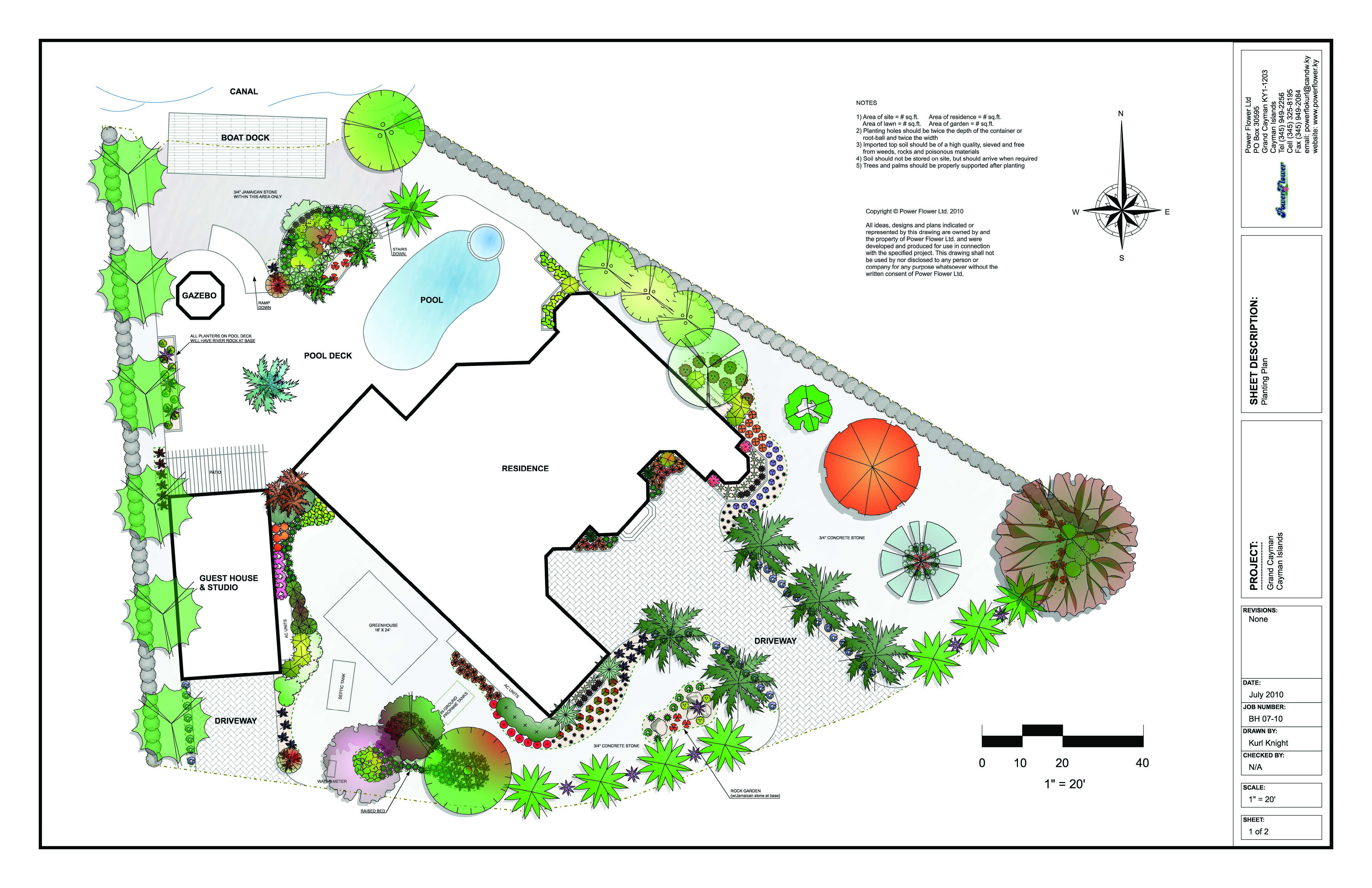
Every contractor knows the gap between a rough site sketch and a plan you’d actually hand to a client. That gap used to mean hours of manual drafting, guesswork on pipe sizes, and the nagging fear that a hydraulic miscalculation would surface only after installation began. Today, irrigation software closes that gap, turning a plot plan into an accurate, professional design ready for bidding and building.
For contractors juggling multiple projects, speed and accuracy aren’t luxuries. They’re the difference between winning a bid and losing it to a competitor with a cleaner proposal. Modern design tools give contractors a structured path: import the plot plan, lay out equipment, verify performance, then produce documents the crew can install from without second-guessing.
Starting With the Plot Plan
The first step in any irrigation job is understanding the site. Contractors can import existing plot plans in common formats, place equipment directly onto the layout, and begin shaping zones without redrawing a site from scratch. This alone eliminates one of the most time-consuming parts of traditional design work.
Drafting tools built specifically for irrigation and landscape work make this stage faster than generic drawing programs ever could. Lines, arcs, labels, and callouts are placed with the job in mind, so the finished plan stays legible both on-screen and on paper. A contractor isn’t fighting software built for architecture or mechanical engineering. The tools reflect how irrigation designers actually think.
Verifying Hydraulics Before the Dirt Moves
A plan that looks good on paper means little if it fails under real water pressure. This is where hydraulic calculations become essential. Contractors can check coverage and pressure zones early in the design process, catching problems like low-pressure areas or coverage gaps before they become costly fixes during installation.
Pipe sizing is another area where manual methods leave room for error. Automatic pipe sizing tools calculate lateral and mainline pipe diameters in minutes, factoring in pipe type, velocity, and pressure. Adjustments remain possible where site conditions call for them, but the baseline calculations are handled with precision that manual math struggles to match. This kind of verification protects both the contractor’s reputation and the client’s investment.
Producing Client-Ready Drawings
Winning a bid often comes down to clarity. Clients want to see exactly what they’re paying for, and crews need documentation they can follow without constant clarification. Detailed reporting tools generate customizable reports for pricing, permitting, and installation, complete with contractor branding, removing the need to rebuild information by hand for every job.
Takeoffs and quantity labels also streamline the bidding process. Instead of manually counting materials from a drawing, contractors can generate accurate quantity lists directly from the design. This reduces the risk of underbidding a job due to missed materials or overestimating and losing a competitive edge.
One Workflow, Fewer Tools
Contractors handling irrigation, landscape, lighting, and drainage design often juggle multiple programs to cover each discipline. Software built to handle all of these within a single platform keeps the workflow consistent. Equipment libraries from major manufacturers integrate directly into the design process, so contractors work with real, specifiable products rather than generic symbols that need manual substitution later.
This consolidation matters most during bidding season, when time pressure is highest. A contractor who can move from plot plan to hydraulic verification to client-ready drawing without switching platforms saves hours per project. Multiplied across a season of bids, those saved hours translate into more jobs pursued and more proposals delivered with confidence.
Why This Matters for Growing Contractor Businesses
The irrigation and landscape industry rewards contractors who can move quickly without sacrificing accuracy. Clients increasingly expect professional-grade drawings, not hand-sketched layouts, and crews perform better with documentation that eliminates ambiguity. Choose a workflow built specifically for irrigation and landscape design if winning more bids and reducing installation errors matter more than sticking with general-purpose drafting tools.
The contractors who adapt their design process now are positioning themselves for steadier growth, fewer callbacks, and stronger client relationships. Moving from a rough plot plan to a confident, accurate bid no longer requires guesswork. It requires the right software built around the realities of irrigation and landscape work.
