
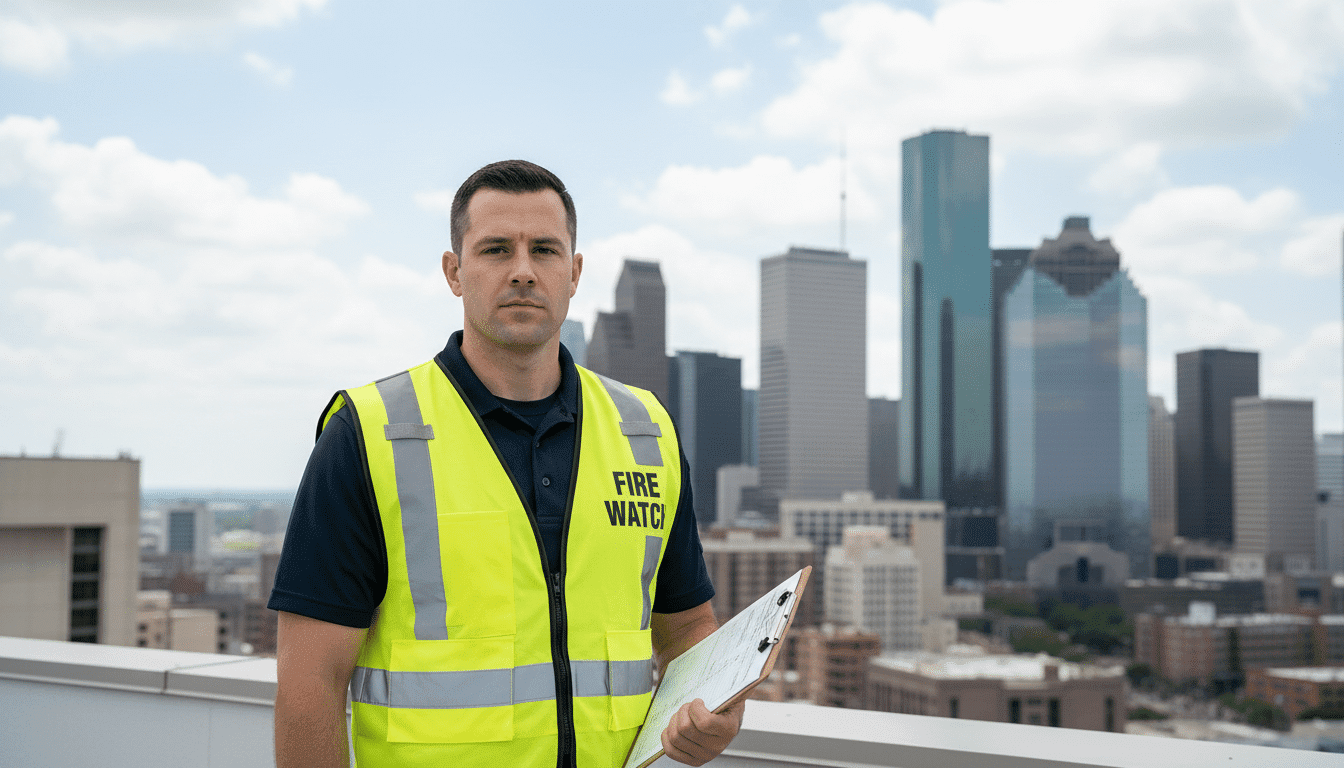
Facility safety isn’t something to leave to chance, especially when fire risks are involved. Texas Fire Watch services have become a critical requirement for many businesses, from construction sites to warehouses with compromised fire suppression systems. Understanding when you need this service, and how to hire the right provider, can protect your property, your employees, and your bottom line. This guide answers the most pressing questions facility managers ask when navigating fire watch requirements.
What Triggers the Need for a Fire Watch at a Facility?
Fire watch services become necessary whenever a building’s normal fire protection measures are compromised. This includes situations like a malfunctioning sprinkler system, impairment of fire alarms, hot work operations such as welding or cutting, or overcrowding events where standard exits may be insufficient. Local fire codes typically mandate a trained individual to monitor the premises continuously until the hazard is resolved or the system is restored.
Who Is Responsible for Arranging a Fire Watch?
Building owners and facility managers carry the primary responsibility for arranging fire watch coverage. When a fire marshal or inspector identifies a deficiency in fire protection systems, the property owner must act quickly to secure qualified personnel. Failing to do so can result in citations, forced closures, or increased liability in the event of an incident.
What Qualifications Should a Fire Watch Guard Have?
A properly trained fire watch guard should understand fire prevention protocols, know how to use fire extinguishers, and be familiar with evacuation procedures specific to the facility. Many guards also hold certifications in basic fire safety training and first aid. Beyond technical knowledge, a dependable guard maintains constant vigilance, keeps detailed logs of their rounds, and knows exactly when and how to contact emergency services.
How Often Should Fire Watch Rounds Be Conducted?
Most fire codes require rounds to be conducted at regular intervals, often every half hour, throughout the duration of the watch. These rounds involve inspecting high-risk areas, verifying that exits remain clear, and documenting conditions in a written log. Consistent, well-documented rounds not only satisfy regulatory requirements but also provide a clear record if an incident does occur.
How Long Does a Facility Typically Need Fire Watch Coverage?
The duration varies widely depending on the circumstances. A temporary fire alarm outage might only require a few hours of coverage, while a construction project involving ongoing hot work could need fire watch services for weeks or months. Facility managers should work closely with their fire watch provider to establish a coverage schedule that aligns with the actual risk timeline, adjusting as conditions change.
What Should You Look for When Hiring a Fire Watch Company?
Choosing the right provider starts with verifying their experience and training standards. Ask about the background checks performed on guards, their familiarity with Texas fire codes, and their ability to scale coverage up or down based on your facility’s needs. A reputable company will also provide clear documentation practices, consistent communication, and guards who understand the specific hazards of your industry, whether that’s a manufacturing plant, hospital, or retail space.
Are Fire Watch Services Required by Law in Texas?
Fire watch requirements in Texas are generally governed by local fire codes and the Texas State Fire Marshal’s Office, often referencing standards set by the National Fire Protection Association. Requirements can vary between municipalities, so facility managers should confirm specific obligations with their local fire department. Non-compliance can lead to fines or, in more serious cases, mandatory closure of the facility until adequate fire protection is restored.
Can Fire Watch Guards Replace a Fire Suppression System?
Fire watch guards are a temporary measure, not a permanent replacement for functioning fire suppression systems. Their role is to provide human oversight and rapid response capability while repairs or installations are underway. Facility owners should prioritize restoring automatic systems as quickly as possible, since trained personnel cannot fully replicate the continuous protection that sprinklers and alarms provide.
What Happens if a Fire Is Detected During a Fire Watch?
A trained guard follows a clear protocol the moment a fire is detected. This typically includes activating the building’s manual alarm, contacting emergency services immediately, assisting with evacuation if needed, and using a fire extinguisher only if it’s safe to do so. Guards are trained to prioritize life safety over property protection, ensuring that occupants exit the building before attempting any intervention.
How Can Facility Managers Prepare for a Smooth Fire Watch Experience?
Preparation starts with clear communication between the facility and the fire watch provider. Sharing building layouts, identifying high-risk zones, and establishing emergency contact protocols before coverage begins can prevent confusion during an actual event. Regular check-ins with the provider throughout the coverage period also help ensure that documentation remains accurate and that any changing conditions are addressed promptly.
Hiring the right fire watch provider protects more than just a building. It safeguards employees, visitors, and the continuity of your business operations. Facility managers who understand these fundamentals are better positioned to respond quickly when fire protection systems fail, keeping their properties compliant and their people safe.
